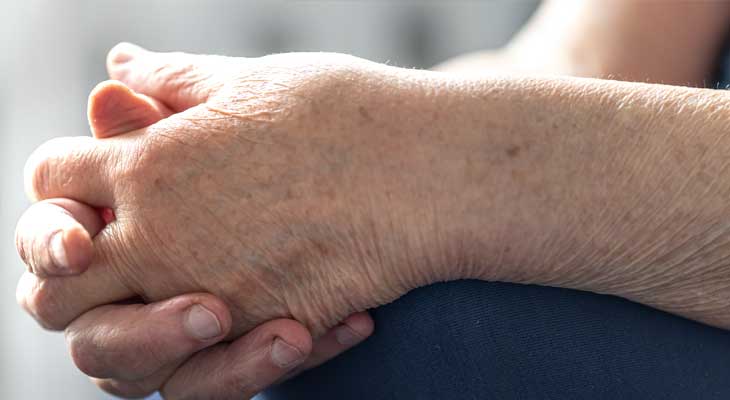
As the autumn leaves start to fall, it is important to remember to still take care of your skin
1st March, 2026
Why Autumn Skin Care Still Matters
As the heat of summer fades and the cooler days of autumn settle in, it’s easy to assume that the risk to your skin has passed. After all, the harsh sun, beach days, and peak UV levels are behind us—right? Not quite. Autumn is a critical time to stay vigilant about skin health, especially when it comes to preventing skin cancer.
UV Exposure Doesn’t Take a Season Off
One of the most common misconceptions is that UV radiation drops significantly once summer ends. While temperatures may cool, UV rays remain present and can still cause damage to your skin. In Australia, UV levels can stay high enough to cause harm well into autumn, particularly during the middle of the day.
Even on overcast or mild days, ultraviolet radiation can penetrate cloud cover and continue to contribute to cumulative skin damage. This ongoing exposure is a key factor in the development of skin cancers over time.
The Hidden Impact of Cumulative Damage
Skin cancer doesn’t develop overnight. It is often the result of repeated exposure to UV radiation over months and years. That means the sun exposure you receive in autumn still adds to your overall risk.
Maintaining good sun protection habits year-round is one of the most effective ways to reduce this risk. Skipping protection in autumn can undo some of the good habits built during summer.
Autumn Is Ideal for Skin Checks
With the intensity of summer behind us, autumn is an excellent time to assess your skin. You may notice new spots or changes in existing moles after months of higher sun exposure.
Early detection is critical. Identifying skin cancers at an early stage significantly improves treatment outcomes and often allows for less invasive procedures.
Simple Steps to Stay Protected
Protecting your skin in autumn doesn’t need to be complicated. A few consistent habits can make a significant difference:
• Continue applying a broad-spectrum sunscreen daily, especially on exposed areas • Wear protective clothing, including hats and sunglasses when outdoors • Seek shade during peak UV times • Be mindful of reflective surfaces, such as water or concrete, which can increase exposure • Regularly check your skin for any changes
Don’t Let Comfort Lead to Complacency
Cooler weather can create a false sense of security. Without the immediate feeling of heat from the sun, it’s easy to forget that UV radiation is still at work.
By staying consistent with your skin care and protection routines throughout autumn, you’re taking an important step in reducing your long-term risk of skin cancer.
Looking After Your Skin Year-Round
Healthy skin habits shouldn’t be seasonal. Autumn offers a valuable opportunity to reinforce good routines, book a professional skin check, and stay proactive about your health.
Your skin is with you for life—taking care of it doesn’t stop when summer ends.
Note: Information provided in this blog is of a general nature and is not a substitute for advice from a medical professional. Please be advised that blog posts are not necessarily written by medical professionals. All care has been taken to ensure the accuracy of information provided, however, no guarantee is made that it is free from error. Mention of any specific products or services in the context of a blog post does not indicate an endorsement of that product or service. This includes any images used in blog posts. Molescope always recommends that any medical advice is sought directly from medical professionals.